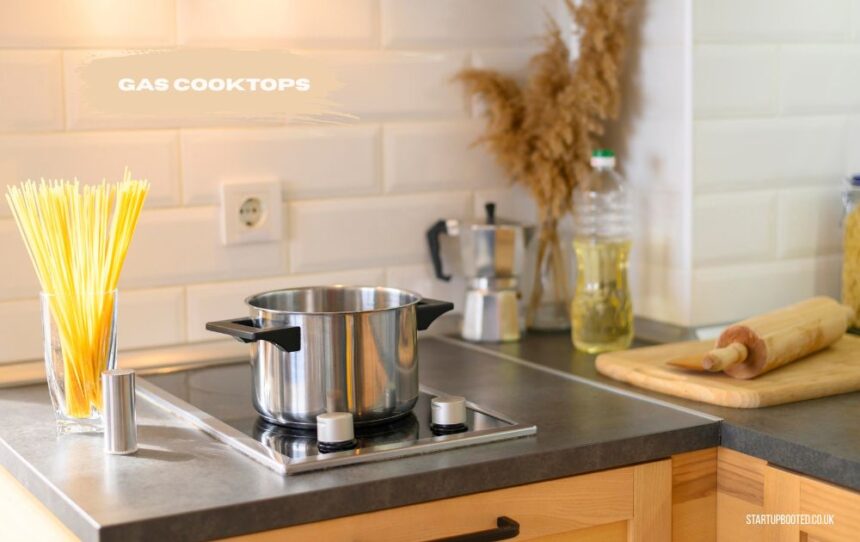
Gas cooktops have earned their place in homes around the world thanks to their visible flame and instant response. Whether you are simmering a delicate sauce or searing vegetables, gas cooktops give you a natural sense of control that many cooks find hard to match. You can see the heat level at a glance, adjust it in a second, and cook with more confidence every day.
How Gas Cooktops Work
Gas cooktops mix natural gas or propane with air and ignite the mixture at the burner, creating a flame you can raise or lower with a simple turn of the knob. This direct link between dial and heat is what many home cooks love most. Because the flame responds immediately, gas cooktops make it easy to move from a rolling boil to a gentle simmer without waiting for the surface to adjust.
The Everyday Benefits You Will Notice
Gas cooktops heat up quickly and cool down just as fast, which helps prevent overcooking and makes delicate recipes less stressful. They also work with almost every type of cookware, from cast iron to stainless steel, so you rarely need to replace your favorite pots. Many people also find that gas cooktops keep working steadily during long cooking sessions, which is helpful for family meals and festive gatherings.
Understanding Burner Types and Power
Most gas cooktops include a mix of burners, such as a high-output burner for boiling, a medium burner for everyday cooking, and a low simmer burner for gentle dishes like sauces and melted chocolate. Looking at BTU ratings helps you match gas cooktops to your cooking style, since higher numbers mean faster heating. A good balance of burner sizes gives you flexibility without wasting fuel.
Choosing the Right Size and Layout
Gas cooktops commonly come in 24, 30, and 36-inch widths, with four to six burners depending on the model. Measure your counter cutout carefully and think about how many pots you typically use at once before you decide. A larger cooktop offers more room for big family meals, while a compact one is perfect for small kitchens where every inch of counter space matters.
Pairing a Gas Cooktop and Gas Oven
Many households choose a gas cooktop and gas oven together for a consistent cooking experience and a single fuel connection. Separate units offer more layout flexibility, while a combined range saves space and often costs less to install. Gas cooktops can suit either design, so the best choice depends on your kitchen size, your budget, and how often you bake or roast.
Why Ventilation Matters
Cooking over an open flame releases heat, moisture, and combustion by-products into your kitchen air. Good ventilation keeps gas cooktops comfortable and safe to use, and it helps protect your cabinets and walls from grease buildup over time. Even a small window is not always enough, so proper airflow should be treated as part of your cooking setup rather than an optional extra.
Choosing a Range Hood for Gas Cooktop Use
A range hood for gas cooktop use should be at least as wide as the cooktop, and ideally slightly wider, to capture rising heat and fumes effectively. Look for strong airflow, quiet operation, and easy-to-clean filters that suit your gas cooktops. Ducted hoods that vent outdoors usually perform best, while recirculating models can work where outside venting is not possible.
Installation Essentials
Gas cooktops should always be installed by a licensed professional who can connect the gas line, check for leaks, and confirm proper clearances from cabinets and walls. Correct installation protects your family and ensures your gas cooktops perform as designed. It is also wise to ask the installer to explain where the shut-off valve is, so you know exactly what to do in an emergency.
Safety Habits Worth Building
Gas cooktops are safe when used with a little awareness, and a few simple habits make daily cooking even more secure. Following these steps helps protect your home and gives you peace of mind every time you light a burner:
- Never leave a lit burner unattended, even for a moment.
- Keep towels, paper, and loose sleeves away from the flame.
- Turn pot handles inward to avoid accidental spills.
- Install a carbon monoxide detector and a gas leak alarm nearby.
Cleaning and Maintenance Made Simple
Wiping spills once the surface cools keeps gas cooktops looking fresh and prevents clogged burner ports that can cause uneven flames. Remove the grates and burner caps for a soak in warm, soapy water every few weeks, then dry them fully before placing them back. If you hear continuous clicking, check the igniters for moisture or debris.
Energy Use and Running Costs
Gas cooktops are often economical to run, especially in areas where natural gas costs less than electricity. Using the right burner size for each pan and keeping lids on pots will help your gas cooktops use fuel more wisely. Small habits like turning the flame down once water boils can add up to noticeable savings on your monthly utility bill.
Common Mistakes to Avoid
A frequent mistake with gas cooktops is using pans that are much smaller than the burner, which wastes heat and can scorch handles or melt plastic parts. Skipping the range hood during cooking is another one that is easy to avoid. Blocking burner ports with spills or covering the grates with foil can also reduce performance and create safety concerns.
Can Gas Cooktops Work During a Power Cut?
Can gas cooktops be used when the electricity goes out? In many models, yes: you can light the burners manually with a match or a long lighter, though you should always check your manual first. Electric ignition and safety valves vary from one brand to another, so use caution. A gas cooktop and gas oven combination may behave differently, since some ovens need power to operate.
Could Gas Cooktops Be Right for Your Home?
Could gas cooktops suit your lifestyle? If you enjoy hands-on cooking, want quick temperature changes, and have a gas line available, they are a strong choice for your kitchen. If you prefer a very flat, easy-wipe surface, you may want to compare other options too. Thinking about your cooking habits honestly will help you decide with confidence.
Conclusion
Gas cooktops combine responsive heat, versatility, and lasting value, making them a thoughtful choice for many kitchens. When you pair a reliable gas cooktop and gas oven with a well-chosen range hood for gas cooktop use, you create a kitchen that is safe, efficient, and a pleasure to cook in. With proper installation, good ventilation, and simple care, your gas cooktops can serve your family well for many years.
FAQs about gas cooktops
Are gas cooktops safe for everyday use?
Yes, gas cooktops are safe when installed properly, maintained regularly, and used with care.
Do I really need a range hood for gas cooktop use?
Yes, a range hood for gas cooktop use is strongly recommended to remove heat, smoke, grease, and moisture.
Can I install a gas cooktop and gas oven separately?
Yes, a gas cooktop and gas oven can be installed separately as long as both connect to a safe gas supply.
How long do gas cooktops last?
With proper care and servicing, gas cooktops often last 15 years or more.
Why do my gas cooktops keep clicking?
Clicking usually means moisture, food debris, or a misplaced burner cap near the igniter.